Junk journalism is propaganda promoting the concentration of power with elites at the expense of the governed.
Danger: Propaganda Likely
- CNN / Warner Bros. Discovery
- Board of Directors
- CEO
- Other Propaganda Brands:
- HBO, HBO Max, TBS, Warner Bros., Discovery
-
Is this the WNBA’s most fashionable team?
 by Amelia Chan on October 28, 2026 at 5:32 am
-
Why Trump’s latest election warning is impossible to ignore
 by Stephen Collinson on October 28, 2026 at 4:01 am
When President Donald Trump signals he might not accept the result of an election, he’s worth taking seriously.
-
It can be lonely at the top. And that’s just how China’s leader likes it
 by Sylvie Zhuang on October 28, 2026 at 4:01 am
Last week Beijing’s deputy mayor was meeting with Walmart CEO John Furner and encouraging American companies to invest in China. Now he has vanished from public life, the latest to be swept up in an anti-corruption purge that has ensnared a galaxy of China’s talent: a former top judge, a spy chief, dozens of military generals – and even officials tasked with rooting out graft in the People’s Republic.
-
Israel just voted in a critical election. But the ultimate outcome will take time to become clear
 by Tal Shalev on October 28, 2026 at 3:23 am
Israel’s elections produced no clear winner Tuesday night, exit polls showed, with neither Prime Minister Benjamin Netanyahu nor his main rival Gadi Eisenkot within reach of the 61 seats needed for a governing majority in the 120-seat parliament, the Knesset.
-
Democrats see an opening in deep-red Mississippi Senate race
 on October 28, 2026 at 1:14 am
- CBS News / Paramount
- Board of Directors
- CEO
-
Iran war has cost $47 billion, U.S. military says
 by Eleanor Watson,Joe Walsh on October 28, 2026 at 3:29 am
-
Grand jury declines to indict Trump critic Cassidy Hutchinson over Jan. 6 testimony
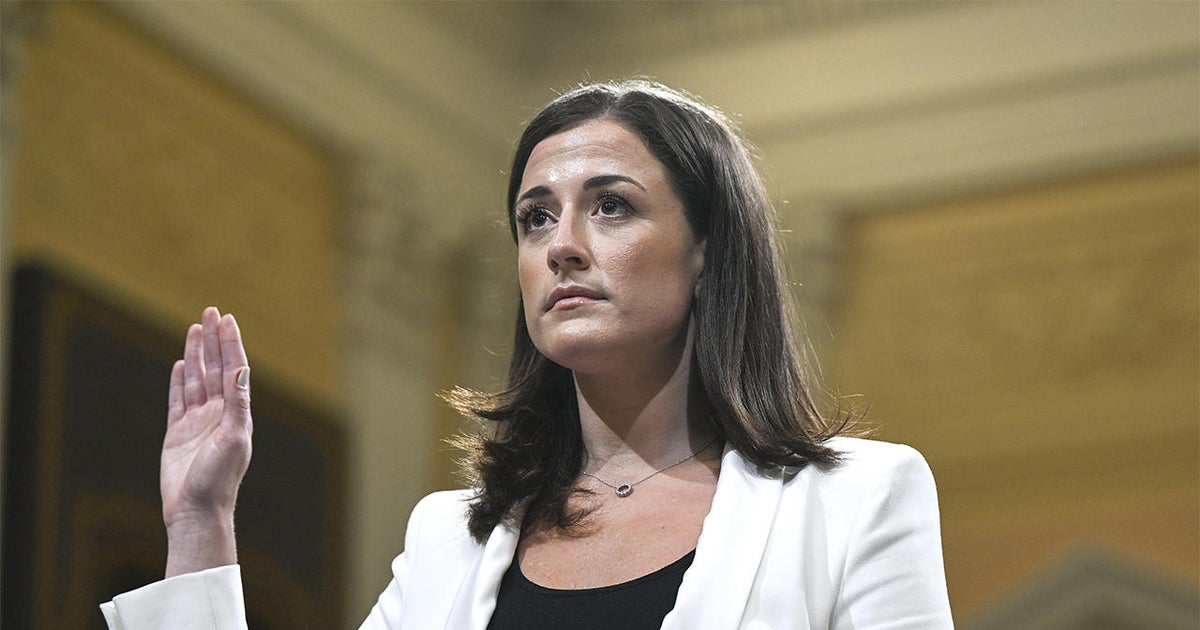 by Nicole Sganga,Sarah N. Lynch on October 27, 2026 at 9:48 pm
Federal prosecutors in Washington, D.C., failed to secure an indictment against Cassidy Hutchinson over her testimony about the Jan. 6, 2021, Capitol riot.
-
These jobs saw the biggest jump in pay in recent years
 by Megan Cerullo on October 27, 2026 at 9:45 pm
-
U.S. issuing visas to Brazil’s Flávio Bolsonaro and family after he lost presidential election, official says
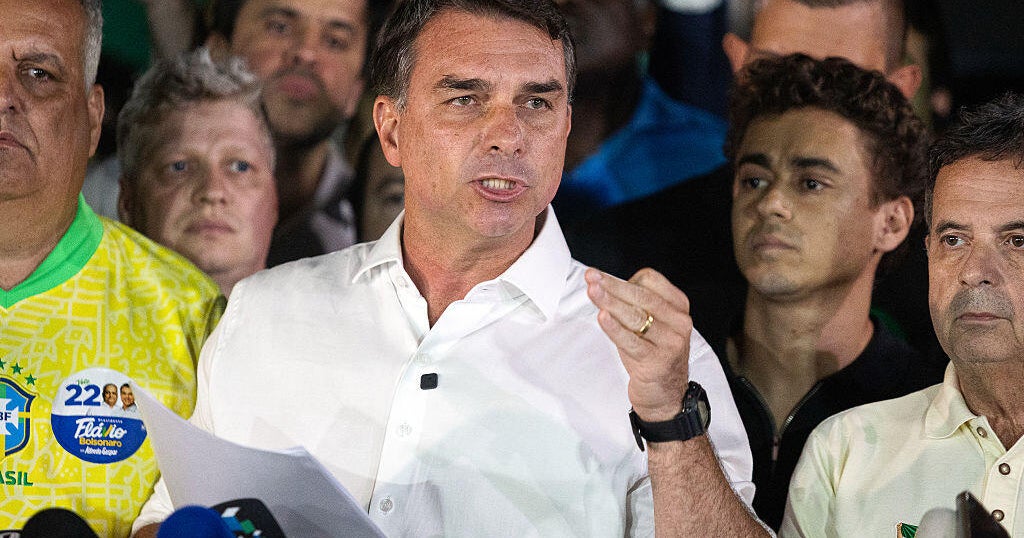 on October 27, 2026 at 9:43 pm
-
Israeli election exit polls show race headed toward stalemate, negotiations on forming government
 by Dov Lieber on October 27, 2026 at 9:10 pm
- ABC NEWS / Disney
- Board of Director
- CEO
-
Cornell faculty to begin voting on no-confidence resolution over handling of rape
 on October 28, 2026 at 6:52 am
Cornell University faculty will begin voting Wednesday on a proposed no-confidence resolution in the university’s administration amid frustration over its handling of a woman’s report that she was gang raped at a fraternity house in 2024
-
UN holds annual vote on condemning US embargo on Cuba as tensions spill into public
 on October 28, 2026 at 6:49 am
The United Nations is set to vote on a resolution condemning the decades-long U.S. economic embargo on Cuba as the Trump administration intensifies its campaign to undermine Cuba’s socialist government
-
Federal judge rules top US prosecutor in Los Angeles isn’t legally serving
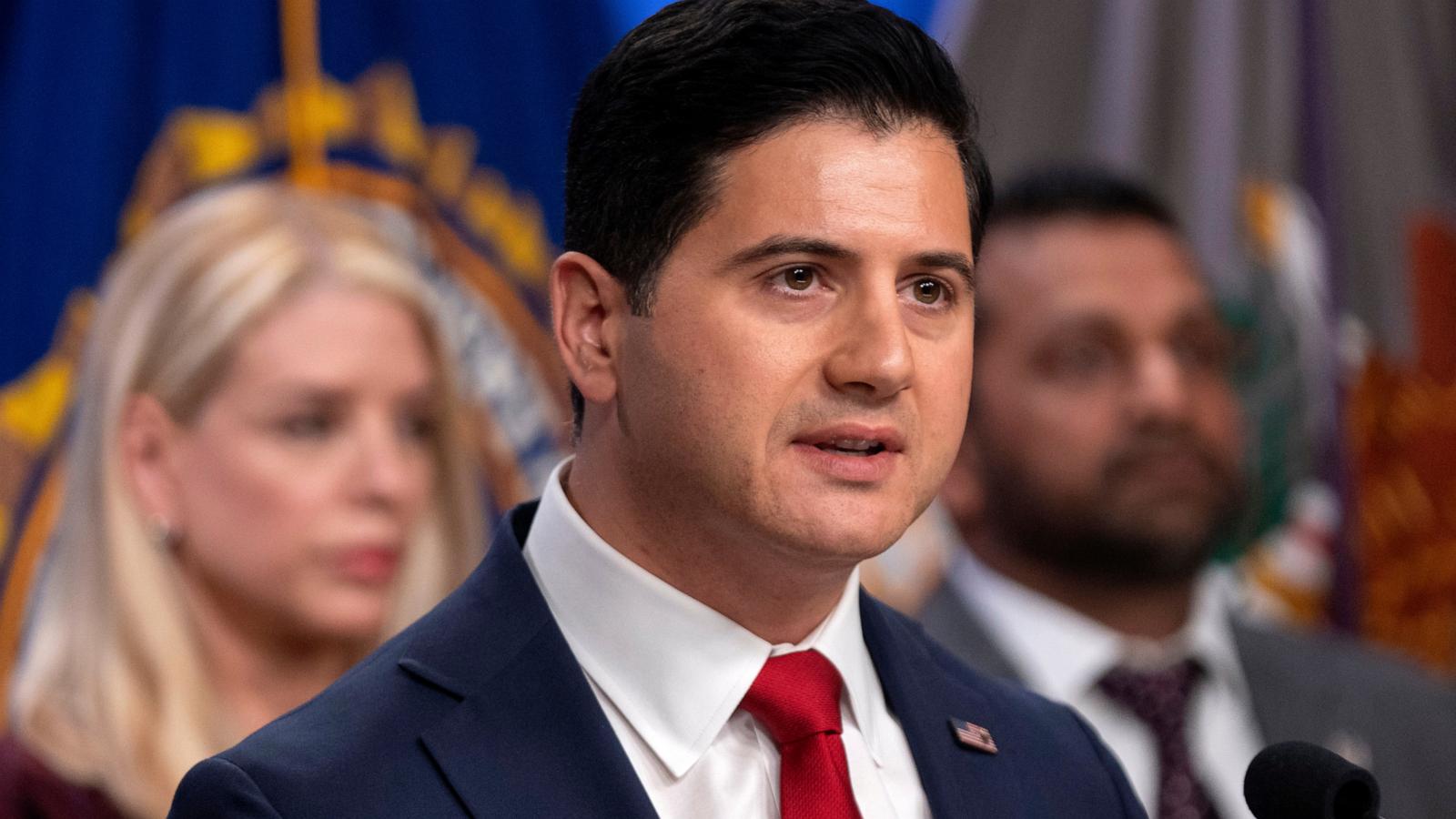 on October 28, 2026 at 6:47 am
A federal judge has ruled that Republican Bill Essayli is not legally serving as the top U.S. prosecutor in Los Angeles
-
UN holds annual vote on condemning US embargo on Cuba as tensions spill into public
on October 28, 2026 at 4:11 am
The United Nations is set to vote on a resolution condemning the decades-long U.S. economic embargo on Cuba as the Trump administration intensifies its campaign to undermine Cuba’s socialist government
-
Hunter Biden laptop issue resurfaces as judge scolds prosecutors over case against ex-FBI officials
 on October 28, 2026 at 2:54 am
A federal judge has scolded the Justice Department for its unorthodox handling of a criminal case against two former FBI officials accused of making false statements to Congress about their participation in and knowledge of investigations involving Hun…
Fox News
-
US military kills five in eastern Pacific strike on suspected drug-trafficking vessel
 on October 28, 2026 at 4:05 am
Video shows a go-fast vessel erupt into a massive fireball as SOUTHCOM confirms five narco-terrorists were killed in the eastern Pacific strike.
-
Florida girlfriend allegedly tracks cheating boyfriend, shoots woman in his car: reports
 on October 28, 2026 at 3:57 am
Katherine Dale Kelly allegedly used an Uber to track her boyfriend to a late-night meeting before opening fire on the woman inside the vehicle.
-
Halima Salman convicted of receiving ISIS military training in Syria, faces 10 years in prison
 on October 28, 2026 at 3:20 am
Halima Salman, a former Brooklyn resident and U.S. citizen, was convicted in federal court of receiving ISIS military-style training in Syria.
-
Man accused of threatening to hijack United flight says it was a drunken joke
 on October 28, 2026 at 12:50 am
Cockpit audio captured a pilot explaining the diverted United Airlines flight while Dante Milne allegedly slept, unaware he caused the emergency.
-
Road rage victim’s utility worker ‘brothers’ face off with hedge fund driver indicted in murder case
 on October 27, 2026 at 11:09 pm
Dozens of Con Edison workers showed up to the courthouse before Victor Romero, a former NYPD detective, was indicted on a murder charge in the bridge shooting.
- NBC News / Comcast
- Board of Directors
- CEO
-
James Talarico faces off against Trump in dueling Texas rallies in election’s final days
 by Natasha Korecki on October 28, 2026 at 3:38 am
Voter enthusiasm in Lubbock, a Texas city of fewer than 300,000, underscored the stakes of a close Senate race in what Democrats call their best chance in a generation.
-
GOP Sen. Lisa Murkowski endorses Democratic candidate in Alaska governor’s race
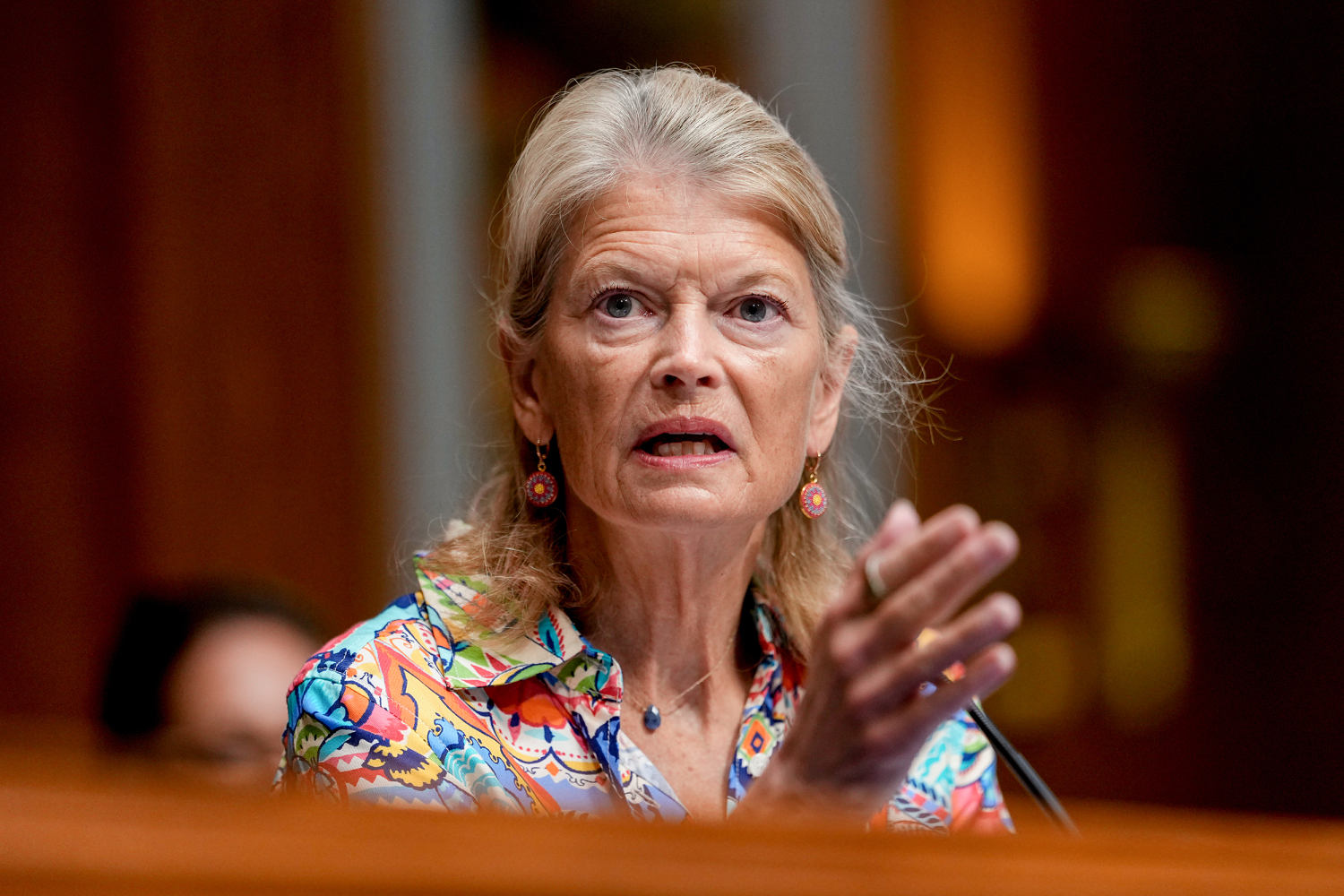 by Kyla Guilfoil on October 28, 2026 at 3:27 am
The Republican senator endorsed Jonathan Kreiss-Tomkins over Trump-backed Bernadette Wilson a week before Election Day.
-
GOP Sen. Lisa Murkowski endorses Democratic candidate in Alaska governor’s race
by Kyla Guilfoil on October 28, 2026 at 3:27 am
The Republican senator endorsed Jonathan Kreiss-Tomkins over Trump-backed Bernadette Wilson a week before Election Day.
-
Trump says he’ll roll back Biden-era methane rules for oil and gas companies
 by Evan Bush on October 28, 2026 at 1:37 am
The EPA plans to ease regulations aimed at curbing methane leaks, Trump said. The potent greenhouse gas is a major contributor to climate change.
-
Judge berates DOJ attorney in court over new charge filed against former FBI officials
 by Tanish Bijur on October 27, 2026 at 11:59 pm
The judge tossed a new obstruction charge against Nikki Floris and Bradley Benavides and told the Justice Department attorney that “everything is a sideshow on top of a sideshow” in this case.
New York Post
-
Dear Abby: Even though I’m still with my unfaithful husband, my past flings are sending me DMs
 by Dear Abby on October 28, 2026 at 7:00 am
Dear Abby advises a woman who is now getting messages from past flings amid her husband cheating on her earlier in their marriage.
-
Federal officials identify 400 noncitizens registered to vote in Washington state: ‘Tip of the iceberg’
 by Fox News on October 28, 2026 at 6:58 am
Many on the list are green card holders with legal immigration status and permanent residency, according to US attorney’s offices.
-
Karl-Anthony Towns responds to Mike Brown’s Knicks halftime challenge in a huge way
 by Jared Schwartz on October 28, 2026 at 6:55 am
Knicks coach Mike Brown called out Karl-Anthony Towns.
-
Great white shark thrashes, lunges at woman after she reaches out to pet the marine apex predator
 by FOX Weather on October 28, 2026 at 6:43 am
A woman had a close call with a great white shark when she reached off a fishing boat to pet the marine apex, leading the shark to thrash around and lunge.
-
Luka Doncic’s 41-point masterpiece not enough as Lakers fall to Trail Blazers
 by Khobi Price on October 28, 2026 at 6:28 am
Luka Doncic scored 41 points, but it wasn’t enough as the Lakers fell 136-129 to the Trail Blazers to drop to 3-1 on the season.
New York Times
-
Jimmy Kimmel Turns Trump Heckler’s Taunt Into a T-Shirt
 by Trish Bendix on October 28, 2026 at 6:12 am
Kimmel was inspired after the president’s “‘Tone-Deaf Comedy Jam’ got tripped up by a heckler.”
-
Israel’s President, Isaac Herzog, Faces a Difficult Choice
 by Ephrat Livni on October 28, 2026 at 5:18 am
The president has a largely ceremonial role, except after elections when it is his responsibility to pick a candidate for prime minister.
-
Texas Senate Rivals Converge on Lubbock, With Trump in the Mix
 by J. David Goodman, Lucinda Holt and Sarah Self-Walbrick on October 28, 2026 at 4:08 am
It was a showdown of sorts in western Texas as James Talarico and Ken Paxton appeared at dueling rallies on either side of a prairie-dog-filled city park.
-
A Chinese Port Could Be a Lifeline for Spain, but Also a Threat
 by Jason Horowitz on October 28, 2026 at 4:01 am
Residents say a proposed Chinese car plant in northern Spain will create new jobs. Others say it’s a long-term risk, distilling a debate about the costs and perks of ties to China.
-
Judge Questions Trump Administration’s Need to Target Noncitizen Voters
 by Shawn Hubler on October 28, 2026 at 2:31 am
In the legal tangle between the Justice Department and California, a federal judge on Tuesday deferred a ruling but said the government already had a remedy it could use after the election.
Gannett / Arizona Republic
-
South Carolina poll shows Graham, Andrews neck and neck before Election Day
 by James Powel on October 28, 2026 at 3:33 am
The poll found that Republican Sen. Darline Graham had 47% support, compared with 46% for Democratic challenger Annie Andrews.
-
How a Democratic wave year could change Arizona politics
 by Laura Gersony and Stacey Barchenger on October 26, 2026 at 12:00 am
A backlash against the GOP has raised Democrats’ longtime hopes of flipping the state Legislature. What would that mean for Arizona?
-
How Warren Petersen, Kris Mayes are competing for Arizona’s Latino vote
 by , The Arizona Republic on October 25, 2026 at 12:02 pm
Can Warren Petersen’s Spanish-language outreach and family ties outshine his support of Trump’s immigration policies?
-
Arizona House candidate Tammy Caputi reports antisemitic death threats
 by Helen Rummel on October 24, 2026 at 12:03 pm
Tammy Caputi is a Democrat and former city councilmember running in one of the state’s key swing districts.
-
Poll shows many Americans doubt Trump will accept GOP midterm losses
 by Terry Collins on October 20, 2026 at 4:57 pm
A new poll said a majority of registered U.S. voters doubt President Donald Trump will accept the results if Republicans lose the midterm elections.
Washington Post
Charlie Kirk
The Washinton Post (Trump Coverage)
-
Grand jury declines to indict Cassidy Hutchinson over Jan. 6 testimony
by Perry Stein,Salvador Rizzo,Jeremy Roebuck on October 27, 2026 at 9:25 pm
Hutchinson, a former White House aide, testified before lawmakers about President Donald Trump’s actions on Jan. 6, 2021.
-
Lawmaker seeks dozens of messages between Kennedy Center and Trump aides
by Jonathan Edwards on October 26, 2026 at 5:52 pm
A newly filed court document reveals extensive communications between Kennedy Center management and President Donald Trump’s advisers. But exactly what they’re saying remains secret.
-
Takeaways from Lula’s win in Brazil: Polarization and scrutiny of digital platforms
by Marina Dias on October 26, 2026 at 2:42 pm
In Brazil, another election result is disputed, political polarization persists, President Donald Trump’s influence will be tested and digital platforms could face tougher regulation.
-
One of the country’s swingiest districts has a hard MAGA incumbent
by Dan Simmons on October 26, 2026 at 9:00 am
Wisconsin’s Rep. Derrick Van Orden stands firmly with President Donald Trump, despite his unpopularity, seeking to mobilize the Republican base.
-
Trump calls El-Sayed a ‘jihadist’ as he escalates campaign rhetoric
by Cat Zakrzewski on October 25, 2026 at 10:56 pm
President Donald Trump repeatedly called Democratic Senate nominee Abdul El-Sayed a “jihadist” during a campaign rally here on Sunday and urged supporters to fight him the way Americans battled […]
James Comey Jr. Indictment
-
How the Trump DOJ can lose the new Comey case before it even starts

A potentially blown indictment deadline could make the Washington, D.C., charges dead on arrival.
-
Comey’s third criminal case: The dumbest yet?
In the face of stiff and formidable competition, the latest criminal case brought against ex-FBI director James Comey may be the most foolish, idiotic and lawless brought by the Trump Justice Department to date. It may also have the shortest shelf life. To explain why that is the case, …
-
Justice Dept. Steps Up Moves on Comey and Others as Midterm Elections Near

In some cases, court paperwork bears unmistakable signs of urgency — typos, unorthodox tactics and the signatures of the department’s senior political leadership.
-
Report: Comey did not waive indictment right, raising dismissal questions in federal case

-
Report: Comey did not waive indictment right, raising dismissal questions in federal case

-
Report: Comey did not waive indictment right, raising dismissal questions in federal case

-
Report: Comey did not waive indictment right, raising dismissal questions in federal case

-
Comey faces new Espionage Act charges over alleged 2016 disclosure to New York Times
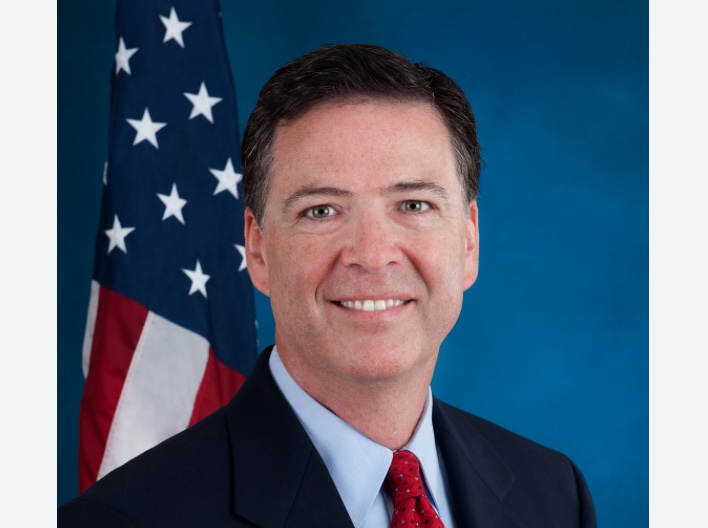
Former FBI Director James Comey faces two federal charges alleging he directed the disclosure of national defense information to a newspaper.
-
Third time: DOJ charges Comey with national defense leak

(The Daily Signal) – The Justice Department has charged former FBI Director James Comey with unlawfully communicating national defense information and conspiring to disclose such information. The charges mark the third time the Justice Department has brought a criminal case against Comey during President Donald Trump’s second term. Comey is already under indictment on charges
-
The Trump DOJ’s Latest Absurd Charge Against Comey

For the judge in the case, this is not a hard one.
-
Former FBI Director James Comey Responds as Trump’s DOJ Unseals a Third Criminal Case Against Him: ‘Nothing’s Changed With Me, I’m Still Innocent’
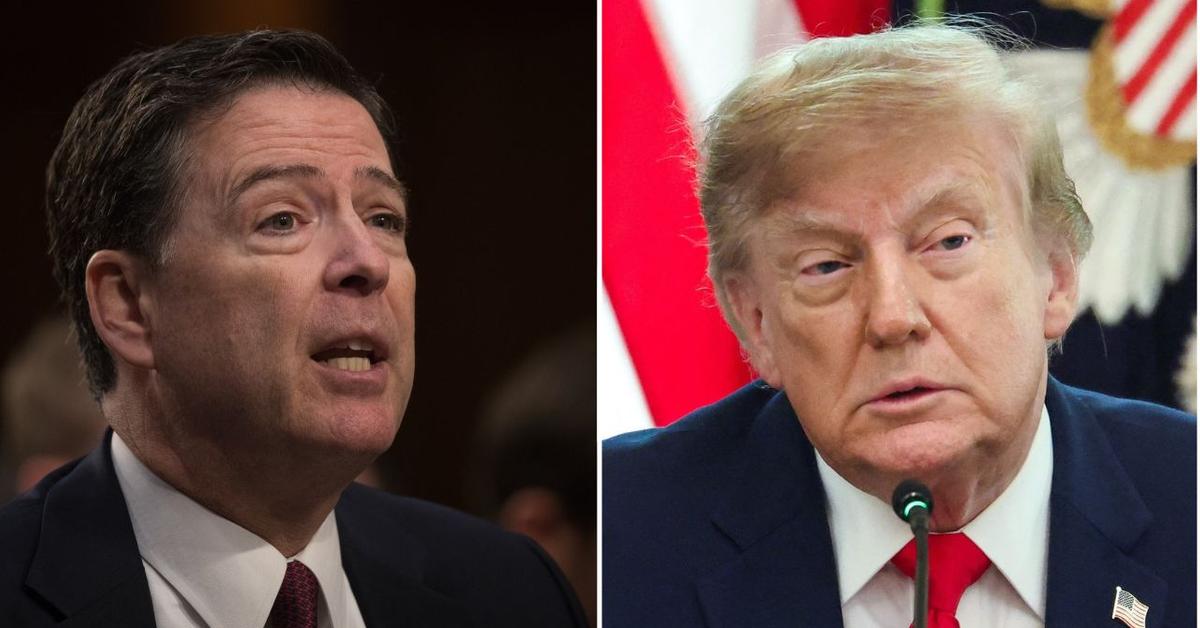
Former FBI director James Comey denied allegations made against him in a third criminal indictment from the Department of Justice.
-
‘Nothing’s Changed With Me, I’m Still Innocent’: James Comey Responds as Trump’s DOJ Unseals a Third Criminal Case Against Him

President Donald Trump’s Department of Justice is still going after former FBI director James Comey. Comey was charged on Monday, October 27, 2026, in U.
-
The DOJ’s cases against Comey will likely fail. For Trump, a conviction may not be the point.

The former FBI director said the developments “would almost be funny if it weren’t such an appalling abuse of the Department of Justice.”
-
Trump administration reportedly seeks third criminal case against former FBI director James Comey
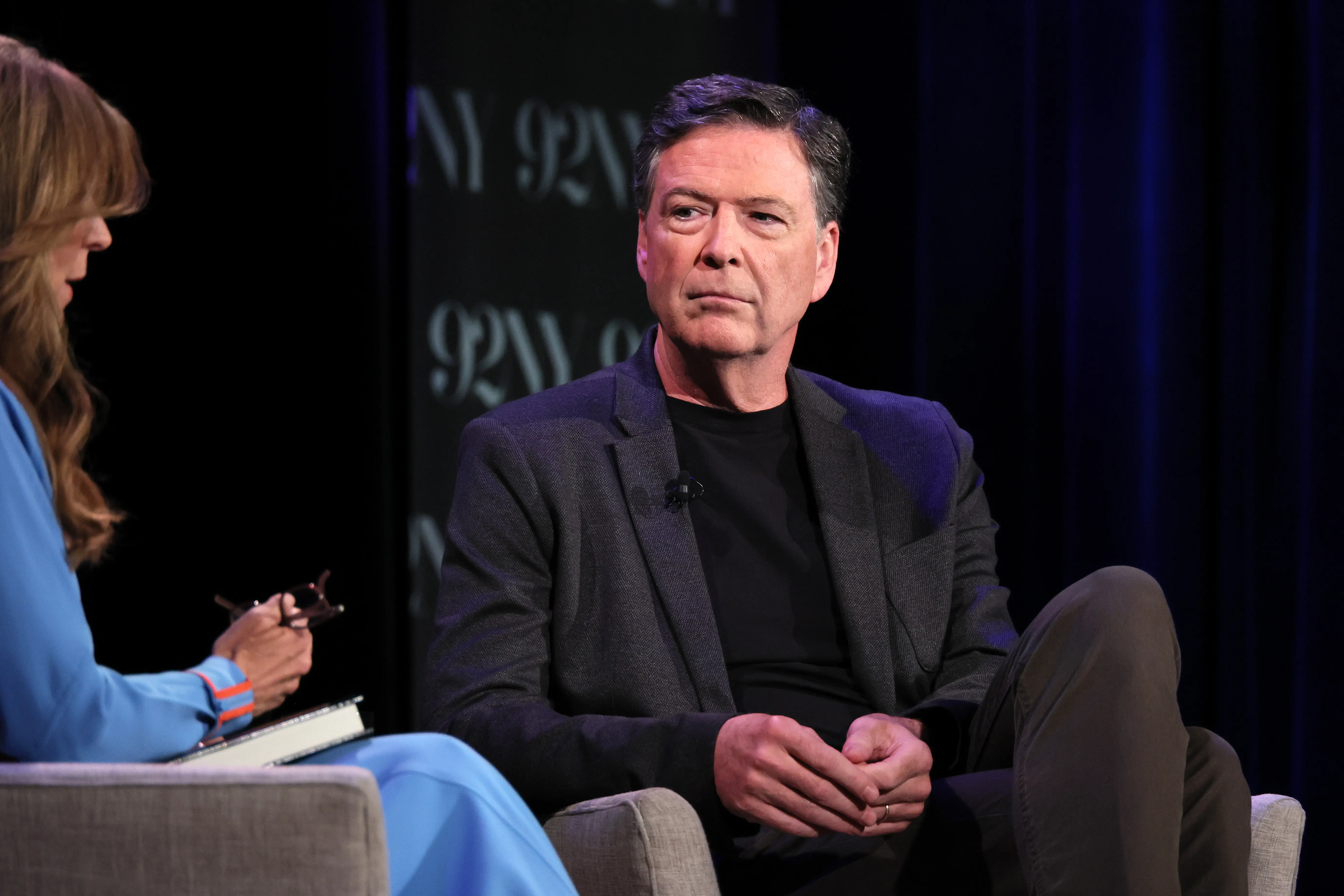
The DOJ filed a third criminal case against James Comey without a grand jury.
-
In 2025, James Comey was indicted over congressional testimony before a judge dismissed the case; in 2026, a social-media threat indictment followed, and he now faces a third federal prosecution

The US Justice Department has made a third attempt to bring criminal charges against former FBI director James Comey, this time over allegations that he disclosed national defence information to an unauthorised person in 2016, according to court records.
-
Trump DOJ’s ‘unusual and improper approach’ could be a ‘fatal problem’ for third Comey case
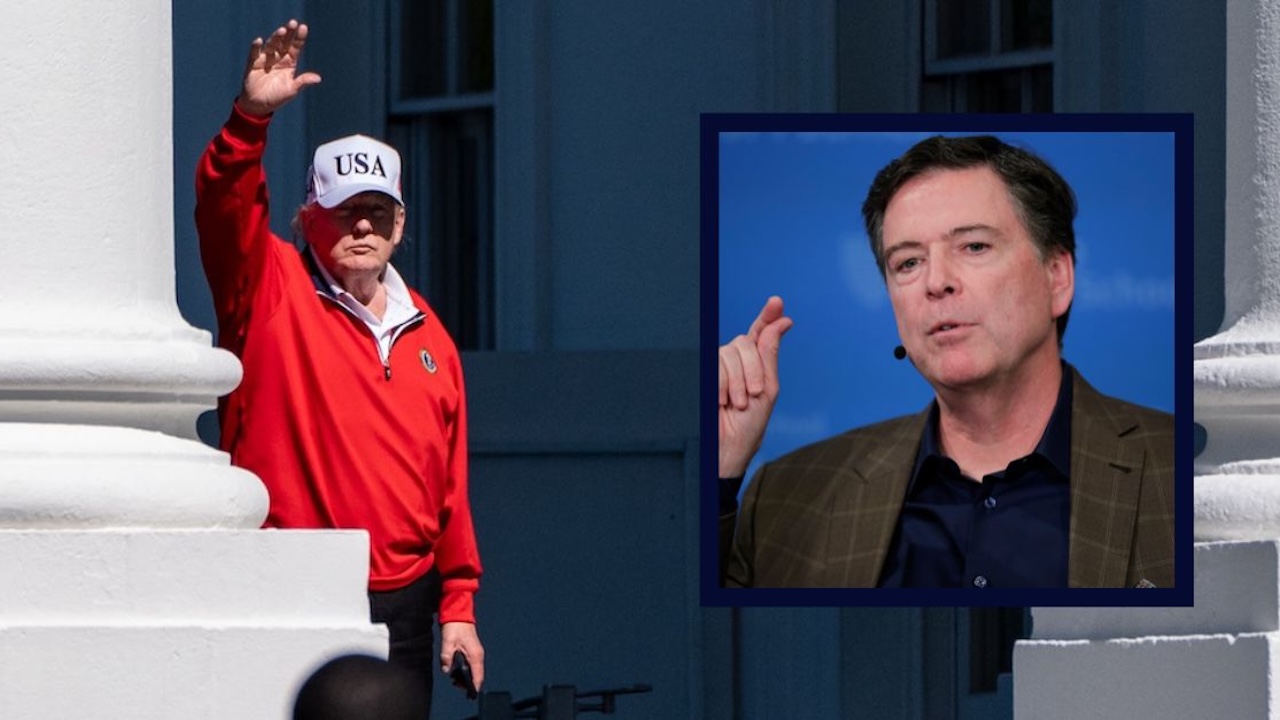
James Comey says the Trump DOJ’s “unusual and improper” third criminal case against him has a “fatal problem” that should lead to a prompt dismissal.
-
DOJ’s Third Effort to Get Comey Is Another Loser
Please click here to opt in to receive via email our Roundup—brief daily summaries of news developments and commentary related to executive power. The “criminal information” the Department of Justice filed on Oct. 5 against former FBI Director James Comey is legally flawed. The problem is not just that two sets of prosecutors in the Trump 1.0 Justice Department investigated this matter and declined to bring charges. The more immediate problem is that the Trump 2.0 Justice Department waited too long to bring the case. The information accuses Comey of violating 18 U.S.C. § 793 related to an alleged leak on Oct. 5, 2016. Section 19 of the Internal Security Act of 1950 provides that “[a]n indictment for any violation of” 18 U.S.C. § 793 “may be found at any time within ten years next after such violation shall have been committed.” To satisfy this statute of limitations, DOJ needed to bring an indictment for a violation of Section 793 within ten years of the alleged crime. Consider becoming a free or paid subscriber to Executive Functions. Subscribe For whatever reason—lack of evidence, incompetence, some combination—DOJ did not secure an indictment from a grand jury within the ten-year period. Instead, it filed a criminal information, a document unreviewed by a grand jury or a judge. That does not meet Section 19’s plain-text requirement of an indictment to satisfy the statute of limitations for alleged violations of Section 793. There is a big difference between an indictment and an information. The Fifth Amendment says: “No person shall be held to answer for a capital, or otherwise infamous crime, unless on a presentment or indictment of a Grand Jury[.]” A criminal information is a unilateral prosecutorial charging document that can only be used to support conviction for felony defendants who “waive[] prosecution by indictment.” Comey did not waive. DOJ released this statement: The Department filed a waiverless criminal information to toll the statute of limitations as it relates to allegations concerning former FBI Director Comey. Filing a criminal information to toll the statute of limitations is a widely recognized practice in federal court and has been approved by multiple Circuit Courts of Appeals. The “widely recognized practice” approved by many circuit courts has no connection to this case. The government is referring to the filing of an information under the default 5-year statute of limitations for federal crimes in 18 U.S.C. § 3282. That statute provides: “[e]xcept as otherwise expressly provided by law, no person shall be prosecuted, tried, or punished for any offense, not capital, unless the indictment is found or the information is instituted within five years next after such offense shall have been committed.” Several courts of appeals have read this language to mean that the filing of an information within 5 years of the crime satisfies the statute of limitations under 3282. But Section 3282 cannot help the government. Its 5-year period ran in 2021 and in any event does not apply if another statute “otherwise expressly provide[s].” Section 19 otherwise expressly provides. It establishes a 10-year statute of limitations for Section 793 crimes, but only if DOJ brings an indictment, which it did not do. The government is trying to leverage the language of the now-expired 5-year statute of limitations, which could have been satisfied by the filing of a criminal information, to meet the requirements of a 10-year statute of limitations that can only be satisfied by the filing of an indictment that it did not secure. As Section 3282 (and other statutes) shows, Congress understands indictments and informations to be the different things that they are when it writes statutes of limitations. It often says that both can satisfy a criminal statute of limitations. But Congress in Section 19 decided that only an “indictment” could satisfy the statute of limitations relevant to the charges against Comey. The government did not secure an indictment within the ten-year period, and the case should be dismissed. The government’s arguments against this straightforward reading of Section 19 are convoluted. The main one is this: “Section 19 sets the limitations period for the underlying Espionage offenses at ten years; and under 18 U.S.C. § 3282(a), that statute-of-limitations period is satisfied whether ‘the indictment is found or the information is instituted.’” But Section 3282(a) does not say this and cannot be split up in this way. That section provides a 5-year statute of limitations for the bulk of federal crimes and specifies what events trigger it: indictment or information. It further says that these rules apply “except as otherwise expressly provided by law[.]” And as noted above, the law does expressly otherwise provide: Section 793 offenses have their own express statute of limitations (10 years) and their own express trigger (an indictment), which the government did not satisfy. This reading applies Section 3282 in full and reads the exception by its terms. The government, by contrast, is trying to lift the trigger from the 5-year limitation in Section 3282 (indictment or information) and splice it onto the 10-year limitation in Section 19 while ignoring Section 19’s specified, bespoke trigger—indictment alone. The government also makes historical and purposivist arguments that Comey’s lawyers have successful responses to. But the meaning of the relevant statutes is so clear that I do not think these secondary arguments should matter. I feel a bit silly making technical legal points when this matter—filed not by the U.S. Attorney or the National Security Division of the Justice Department, but rather by Attorney General Blanche’s cronies—is so obviously a sham. It’s hard to fathom what the Attorney General tells himself as he grossly abuses the power of the Department of Justice at the behest of his Article II master.
Indictment Is Revenge Media Says
-
Trump’s revenge tour falls flat in the courts
 by Julianna Bragg on February 11, 2026 at 7:43 pm
-
Trump Is on Revenge Path Now That James Comey Case Has Fallen Apart
by Edith Olmsted on January 12, 2026 at 7:53 pm
-
Trump Is on Revenge Path Now That James Comey Case Has Fallen Apart
 by Edith Olmsted on January 12, 2026 at 12:00 am
-
5 criminal cases that sum up the Trump administration’s corrupt and vindictive 2025
 by Jordan Rubin on December 31, 2025 at 11:00 am
-
‘Egg on their face.’ Trump’s revenge prosecution failures embarrass DOJ
 by , USA TODAY on December 12, 2025 at 6:00 am
-
Will Trump’s revenge campaign backfire?
 by Byron York on December 5, 2025 at 9:52 pm
-
Court hears Maurene Comey was fired as retaliation against ex-FBI chief father
 by Victoria Bekiempis on December 4, 2025 at 11:33 pm
-
Pam Bondi Plots Desperate New Bid to Save Trump Revenge Cases
 by Ewan Palmer on December 2, 2025 at 1:48 pm
-
Trump’s Legal Setbacks Mount as Revenge Cases Falter in Court
 by Md. Akash on November 27, 2025 at 8:04 am
-
Donald Trump’s revenge agenda is not going well
 by The Economist on November 26, 2025 at 7:33 pm
-
Trump’s Comey Revenge, Reindictment Road Begins; Expired Statute, Trump DOJ’s Big Dilemma
 by TIMESOFINDIA.COM on November 26, 2025 at 6:13 pm
-
Overruled: Trump’s loss on Comey and AG James means ‘0 and 3’ on revenge plots amid Epstein crashout
by Modern Ghana on November 25, 2025 at 12:00 pm